As we quickly are approaching winter, I wanted to talk about plans for the upcoming 2022 cross country and lakecross racing season.
The last year has taught me a lot about cross country racing. Last season was a challenging winter with the lack of snow that ultimately turned the entire season into lake races and cut the season in half to just 4 race weekends.
Okoboji, IA race
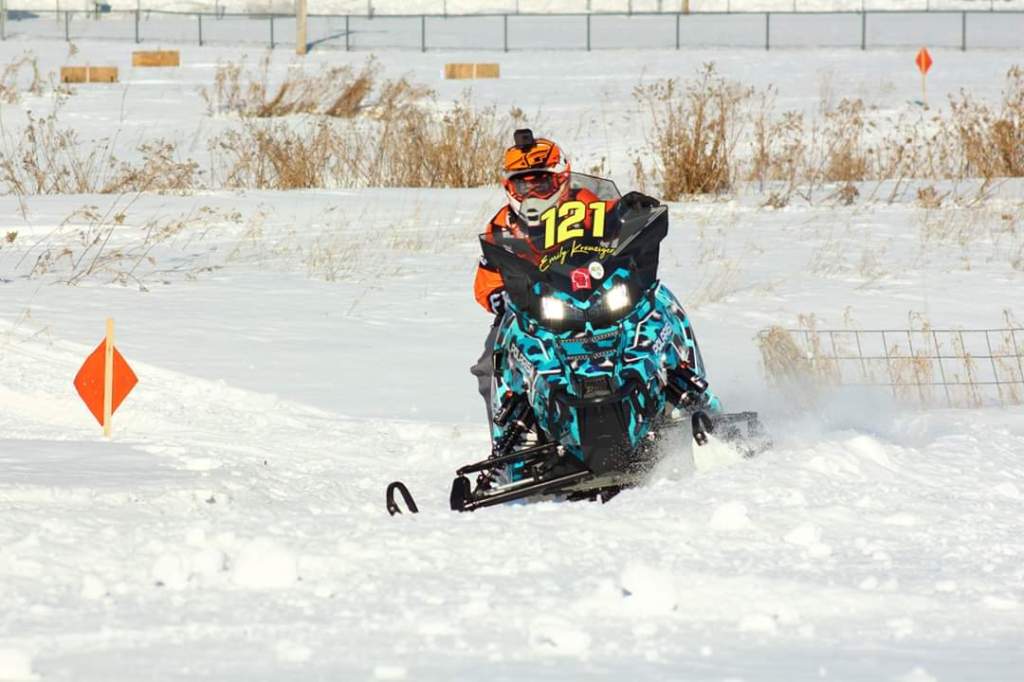
As the winter was progressing towards the end of January, we quickly sensed that if we weren’t willing to do lake races, we may not even get to race a cross country race at all. The week of Okoboji, Emily asked me if she should do a lake race and what that would take. I told her she may as well just do a lake race for extra practice. Because we had such a short time to get ready, we decided to just have Emily race with her sled. I knew we were a long way off on set up and the most simplistic approach was the only way this race weekend was going to work. For me this was a completely new role to go to a race to be crew chief and not actually race. I wasn’t sure what to expect. It turns out it was a lot of fun and I enjoyed just having one sled to focus on. We were able to do a lot to the sled over the course of the weekend with this new approach. I was a much more effective mechanic in this role and it was really eye opening that this new role had many benefits given our lack of experience in cross country racing.
Okoboji, IA race
Day 1 was kind of a rough start because we had mostly trail studs and a limited amount of ice picks in the sled, and Emily flew off in the race. For day 2, we changed most of the trail studs to ice picks thanks to a couple of other race teams who were kind enough to sell us some of theirs. Emily on day 2 was able to rebound with a lot better time. In both the added traction and staying on the sled Emily went from day one being 4:06 behind the leader Gabby Hallstrom to day 2 being 1:45 behind at the finish. Those times are for those individual days. Our main focus was just to see how much of the gap Emily could close on day 2.
Okoboji, IA race
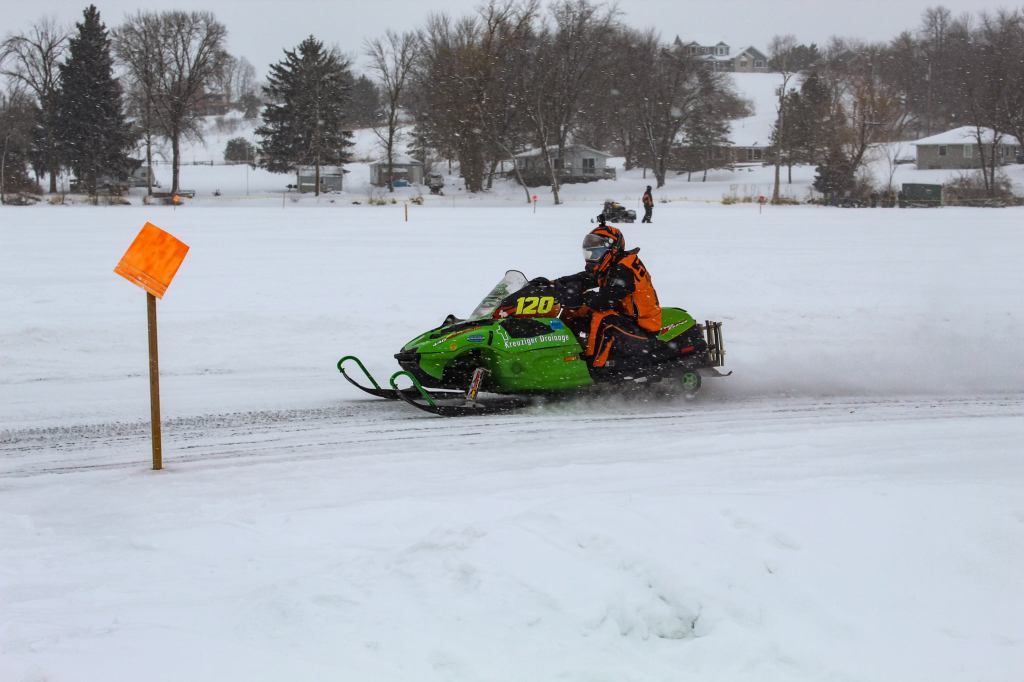
To help get more racing in and develop the snowmobile more, we competed in the two local lakecross races, Neosho and Manawa. At Neosho, Emily was able to win the Women’s class with a commanding lead! Joel was able to bring home 4th place finishes in both the Pro 500 and the iron man, with the Pro 500 finish bumper to bumper through the top 5 across the finish line.
Me in Pro 500 at Neosho, WIEmily after the win at Neosho!
It was a very busy weekend in Manawa with Emily running the pit board, training all the race day volunteers, and running the driver’s meeting, and I took the lead on track set up, directing practice, and track maintenance during race day. The racing went really well for both of us. Emily started with a last place hole shot and quickly worked through the field to the lead on lap one and hung on for the win with another commanding lead. I finished 4th place in the Pro 500 and then had my best race of the season in the iron man. I lead the first 5 laps of the 8 lap race and then hung on to a 2nd place finish. https://www.facebook.com/watch/?v=1398914373790646
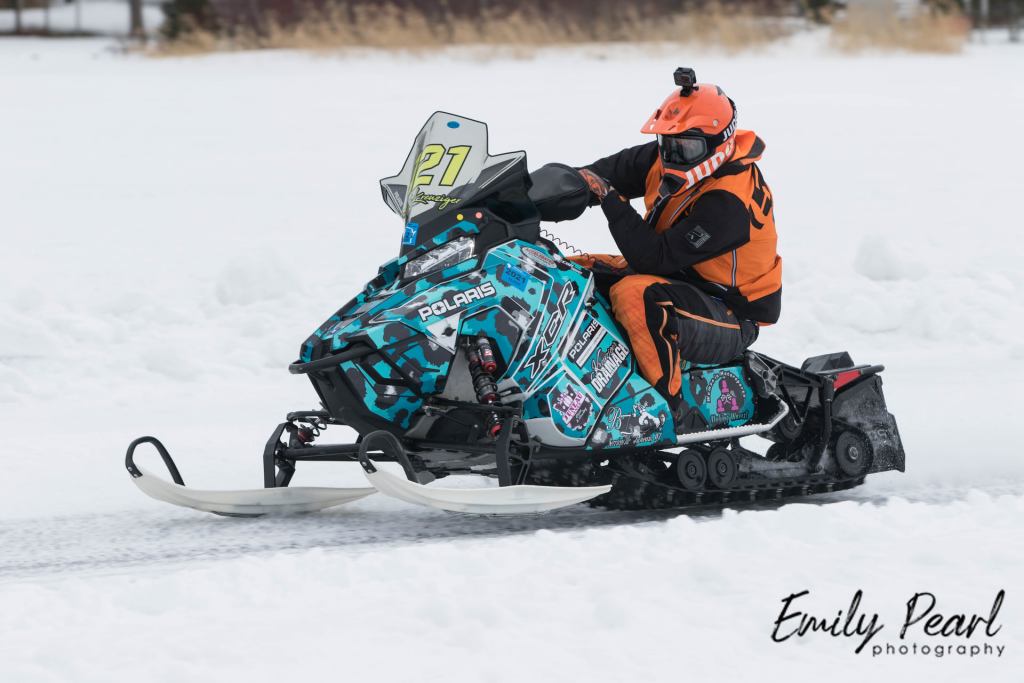
Our other cross country race last season was Park Rapids. For this race I decided to race Emily’s XCR in the Sport Stock 600 class. We came to Park Rapids much more prepared. We even had the opportunity to get to practice and wrench on the sled for about 4 hours on Friday. I was able to help provide some extra feedback on the set up to help further develop the sled. The weekend turned out to be a solid weekend. Emily was consistent each day with similar gaps from the lead on day 1 of 2:39 and day 2 of 2:31. Day one I had a belt blow which ended my race because I had no spare on the sled. It was a lesson learned to carry a spare belt along. Day 2 I was able to get through the race with no mechanical issues and was 9th best. For the weekend I was 11th out of 18 racers. My main goal for the weekend was to help further develop the XCR and help to have a better baseline setup.
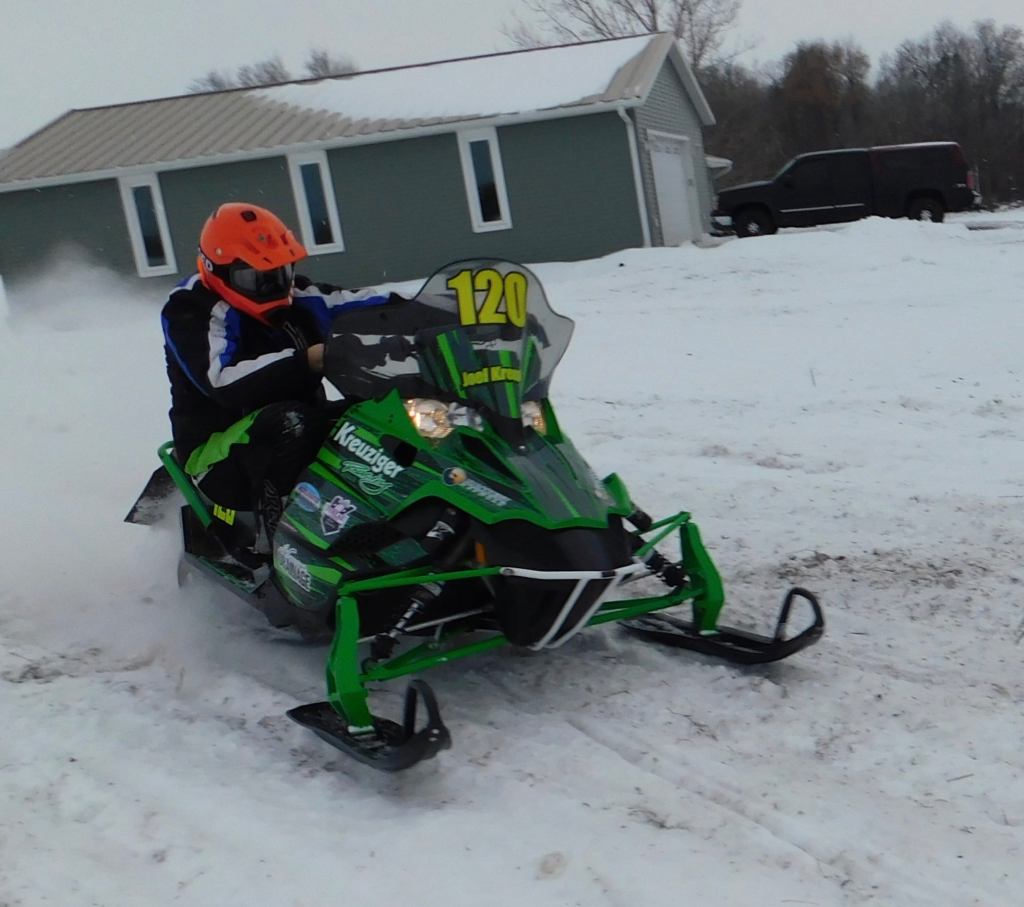
Park Rapids, MN raceMe at Park Rapids, MN race
In the offseason we’ve been getting more input from other racers and have been assessing our program and the best direction to go. To help get better established given our current budget and experience, we feel focusing on mainly just one snowmobile will get us further along. The established programs in cross country do a lot of tuning and preventive maintenance and have a good stock of parts to help do so. In doing an honest assessment of how can we get closer to that type of program it will help us to continue the momentum built from last season with more of a singular focus on one snowmobile.
Since last season we have some new parts to improve our efforts. We bought a new cobra track for the terrain set up. The original track has the ice picks in it for the lake set up. We also set up a second set of shocks for ice racing to make swapping between both ice and terrain racing easier. We also purchased some good used brake pads, caliper and rotor. We pretty well used up a rotor and brake pads ice racing last season. I have also made a list of parts and tools that we will soon purchase as well. I’ve taken apart much of the sled to learn more about it and really go through it.
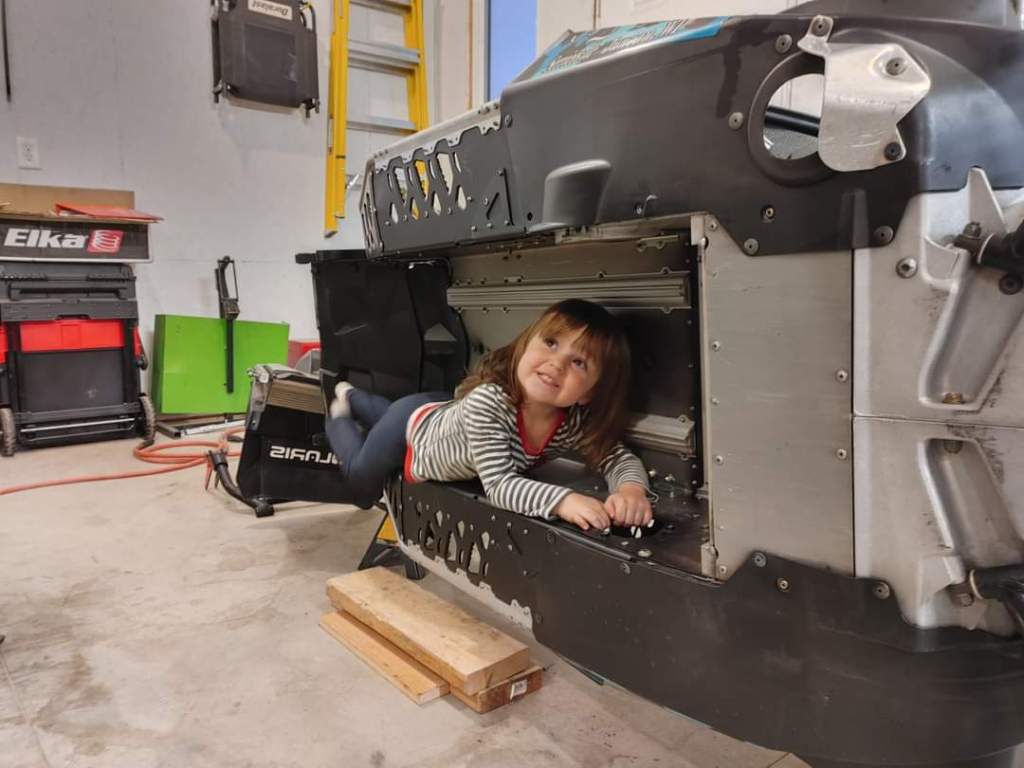
“Daddy I need a wrench!” – the moment Emily realizes she’s no longer the person that’s asked to fit in all the smallest places.
Emily will race at Park Rapids January 29/30. It’s a 2 day race that totals 250 miles. I will be her crew chief at Park Rapids to help support her efforts there. It’s 125 miles each day for a total of 250 miles. The longer terrain races are a unique format where you aren’t able to share a snowmobile with somebody. I have learned each time we take on a new style it’s a steep learning curve. Your main focus is learning the new style of race and just take in all the information you can. I will be able to help work on the sled more and focus on the sled more as a crew chief. This Park Rapids terrain race is a completely new style of racing for us and I feel we aren’t ready to take on this race with two snowmobiles. At least for this year, we will be doing the majority of the racing on Emily’s sled and I’ll only race my own snowmobile at Whitecap in March on the Cor schedule. https://corpowersports.com/schedule/park_rapids/
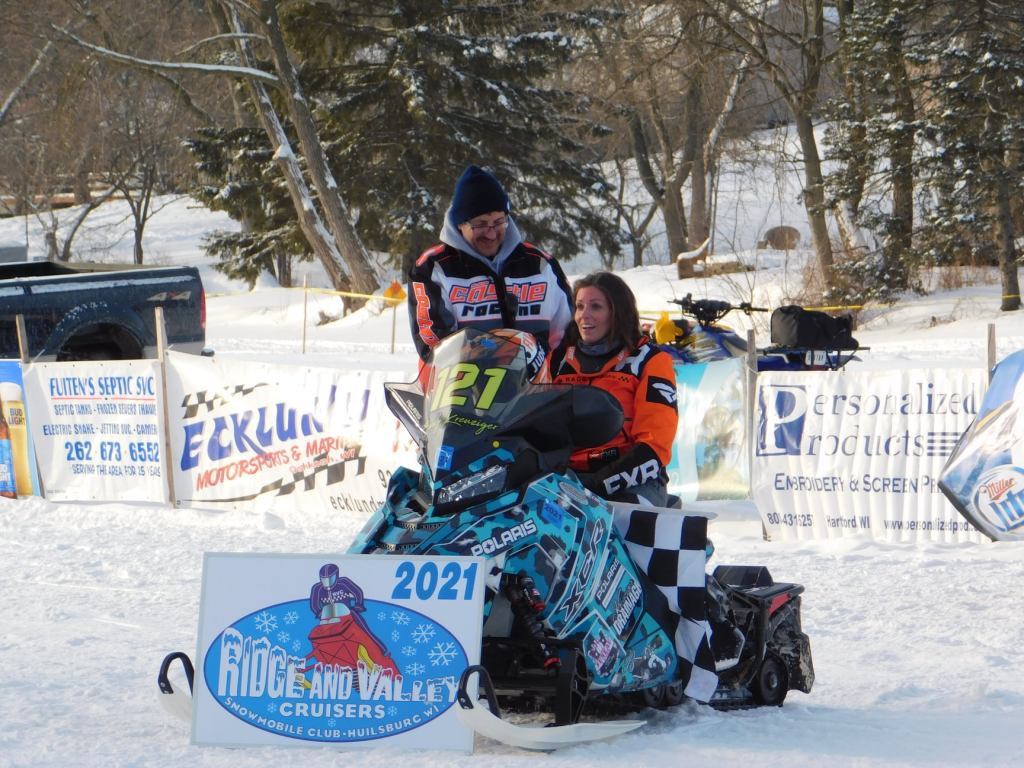
On Saturday, February 12th both Emily and I will be racing at the Neosho Cup Snowmobile races. This race is the best chance for many of our local fans to come see us race. Neosho is only 20 minutes from our house! Emily will compete in the Women’s class and I will drive her sled in the Factory 600 class. https://www.facebook.com/Neosho-Cup-Snowmobile-Races-282312466120
On Saturday, February 19th both Emily and I will be racing at the Manawa Snodeo. Emily will be competing in Women’s and I’ll drive her sled once again in Factory 600. This race is close to home for us as well, located about 45 minutes west of Oshkosh. https://www.facebook.com/Snowdeo
Emily and I plan to race at Whitecap Mountain in Upson, WI on Saturday March 26th. This is a 4 to 5 mile course on a ski hill. I do have one race of experience on a ski hill back in 2019 at Dubuque, IA. Whitecap Mountain is the closest race on the Cor Powersports circuit for us. https://corpowersports.com/schedule/whitecap/
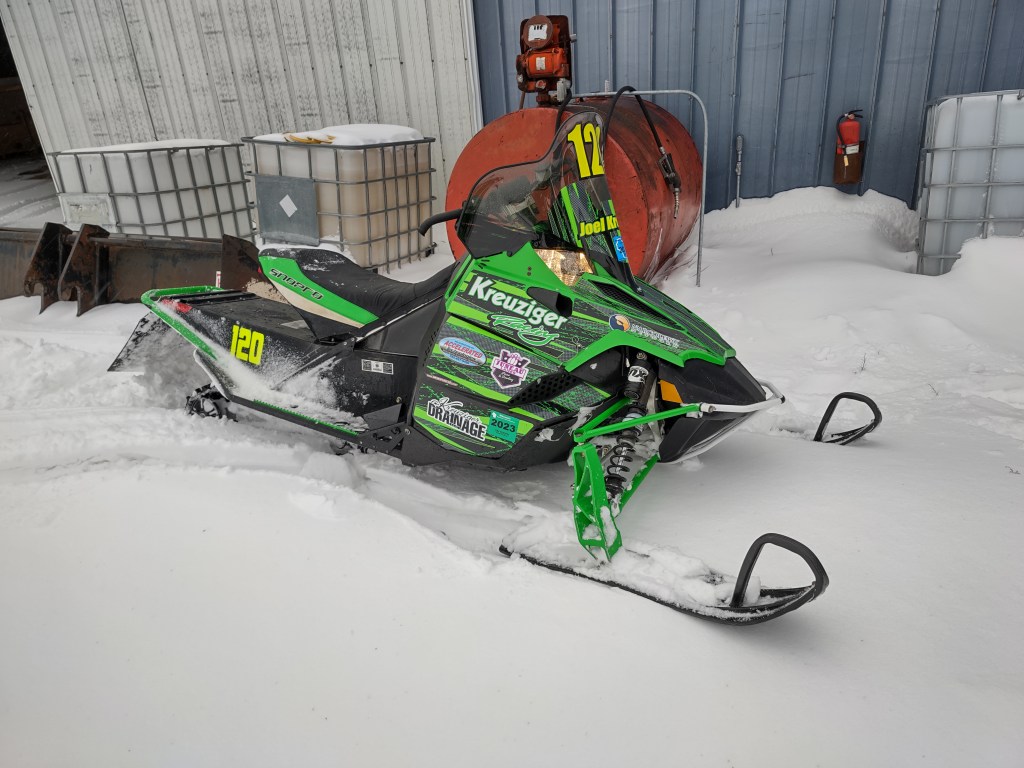
My Sno Pro 500 that I will race at Whitecap Mountain in Upson, WI
I wanted to take some time to share with all of you the journey Emily has been on with her narcolepsy advocacy and snowmobile racing.
Emily in staging at the Hayward Cor Powersports Cross Country Race 2-29-20
Narcolepsy is a rare neurological/auto immune sleeping disorder that affects 0.05% of the population. The number one symptom is excessive daytime sleepiness (EDS) which is the equivalent of a normal person staying awake for 3 days straight and trying to function without any kind of stimulant. That level of exhaustion is what Emily feels on a daily basis and depends on medication in order to function and stay awake. People with narcolepsy also experience insomnia, disrupted nighttime sleep, sleep attacks, sleep paralysis, hypnagogic hallucinations, and cataplexy, which is a loss of muscle tone brought on by a strong emotion or laughter. Emily was diagnosed in 2012 after experiencing symptoms for many years. It affects all aspects of her life.
I will start off at the beginning which was 3 years ago. One night in November of 2017 I couldn’t sleep, and I was up in the middle of the night. I decided to share Emily’s Narcolepsy story and her racing efforts with the Narcolepsy Network, the nation’s largest nonprofit organization for narcolepsy advocacy. It just came to me to start writing up an email and I clicked send on it at 3 am in the morning. The next morning they emailed me back! They loved Emily’s story and they wanted to learn more about her. I showed Emily this email and she started crying because it meant so much to her. I had emailed them without telling Emily and she couldn’t believe I did that and that they contacted me back.
The reason I contacted them was because Emily had always wanted to help others with narcolepsy and educate people. Emily always felt like she didn’t know where to start and how to go about advocating for narcolepsy. I always felt like she could describe things so well about narcolepsy and connected well with people. I also knew I couldn’t provide enough of a platform on my own to be able to help Emily in a way that she would benefit most from. I decided I would contact the Narcolepsy Network and maybe they would be able to help Emily with her dreams of helping others.
Emily has had some unique opportunities since then. In the summer of 2018 Emily and I were part of Know Narcolepsy campaign videos that are posted on their website and YouTube page. They came out to our area to do 2 days of filming. This was an amazing experience for me. I will never forget watching Emily being interviewed. I was at one point watching the monitor screen and I forgot that it was live. Emily was doing such a great job answering questions that I honestly thought that it was the final edited video I was watching. Emily did so good answering the questions that the lady that interviewed her even said that of the 100s of interviews she had done that Emily was the best one she had done! These videos were released to the public about 6 months later. It was amazing watching the final edited videos and how well they came together. Emily has had people contact her telling her her Know Narcolepsy videos they used to help educate other people about narcolepsy because they feel how Emily explains things is easier to understand than they can explain on their own. That whole process really validated to me that I wasn’t crazy. I just felt I knew Emily was capable of all of this and just needed the rest of the world to be aware of what I already knew for years. I just knew that Emily had something special and really when the film crew was so excited about the footage they got of Emily and her answers it really was something special to be a part of and get to witness. I think at one point they drilled Emily with questions for like 3 hours straight and I don’t think she ever slipped up. It was surreal to see someone just be that on their game and showcasing what they were meant to do! To find Emily’s Know Narcolepsy videos visit this link https://knownarcolepsy.com/stories
Picture from Know Narcolepsy of EmilyAt the Narcolepsy Conference “Know Narcolepsy” Booth!
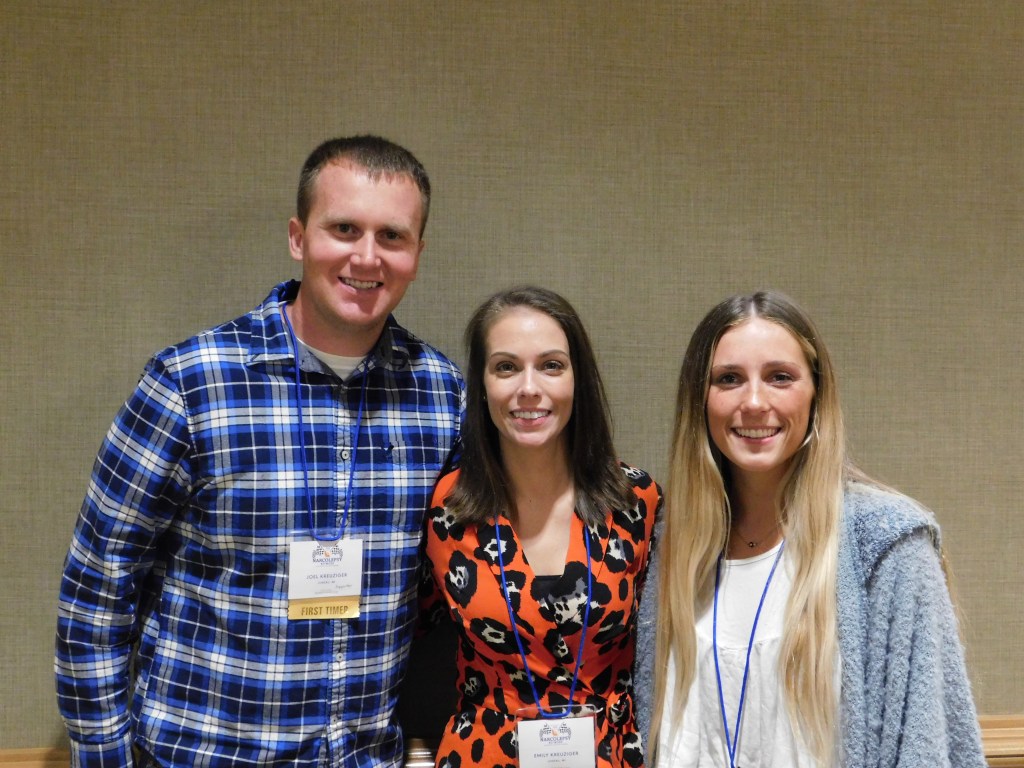
One of the other really cool things was in October of 2018, Emily and I attended the Narcolepsy Conference in Indianapolis and Emily did a presentation there on her life story. The presentation was really a turning point for me. As I was watching the presentation and seeing so many others touched by Emily’s story it really had a positive effect on me. As far as the snowmobile racing goes I realized that it was the fact that Emily went after her dreams that really connected with people. It wasn’t so much about winning races as it was about the fact that she was just competing in the first place, that by going out there and doing something that was meaningful to Emily and that she didn’t let narcolepsy keep her from racing. I came out of that presentation with a whole new outlook on things. To see this presentation in its full length visit this link https://www.youtube.com/watch?v=uprP_NjbX6Q
Emily’s presentation at the Narcolepsy Conference!
The Narcolepsy Conference was the first time both Emily and I got to meet others that have Narcolepsy and their family and friends that were their supporters. The Narcolepsy Conference is really the best way to really learn about the effects of narcolepsy and all the latest information on what’s available in resources, medications, and support groups. It would be impossible for me to even remember everything all that you can learn at the Narcolepsy Conference because of how much is offered at the Narcolepsy Conferences.
One of the best sessions at the conference for me was one they had for caregivers. I can remember a couple moments from that session. The first one was a guy that was overwhelmed with working so many hours at his job to try and support his family. He was doing everything he could to be supportive of his wife with narcolepsy and his struggles were with taking care of himself and really struggling with trying to be there for his wife but yet he wanted to know how he can also take care of himself. They had kids together as well. At that time I wasn’t a parent yet, so it was eye opening of how much narcolepsy effects families. Even though I had been with Emily for 5 years at that point we had never had that deep of struggles as this guy was going through. It was eye opening of just how much effect narcolepsy can have on people. Every narcolepsy story is unique and different. The more narcolepsy stories I heard the more educated I was becoming how narcolepsy can mean so many different things. The host of this session asked me if I had anything to say, somehow sensing I wanted to say something but maybe too shy do so on my own. I was glad she had the courage to ask me when I struggled to speak up myself. I can’t remember everything I said but I talked about mine and Emily efforts of trying to help others with narcolepsy and Emily’s presentation she would be giving and some of our experiences dealing with narcolepsy.
I remember it was at the end of the first day of sessions that we had pj karaoke night. Everyone dressed in their pjs and just had a fun night of singing karaoke and if you weren’t up for singing just enjoying a fun night of music and interacting with others. For me this was like heaven of “are you serious we get to sing karaoke tonight?!” I love singing karaoke. It seems like I sang almost 10 songs, I don’t know the exact number but I was up there a lot! Everyone seemed to really enjoy my singing and it was fun meeting people in a more relaxed and fun environment. I was getting comments the next day about singing and even at the support group session the leader of it said I thought they brought a ringer in to sing and was joking with me “wow you were so good at singing we thought you were a hired singer”. That was one of the highlights for me getting to sing karaoke and seeing such joy in everyone in attendance.
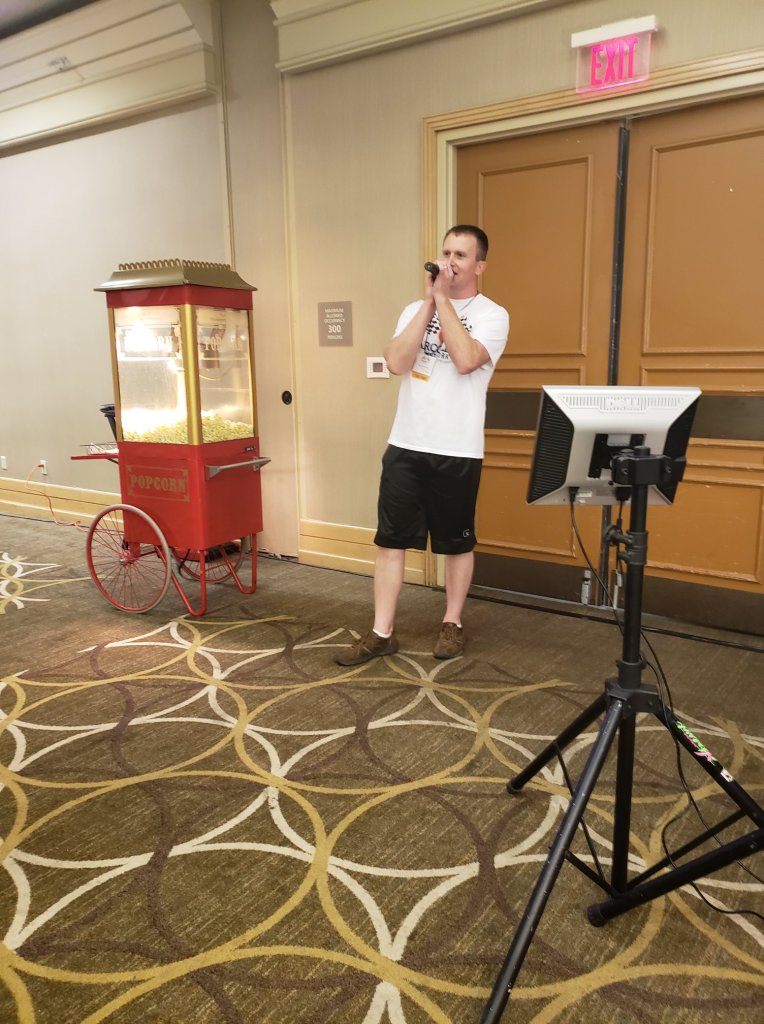
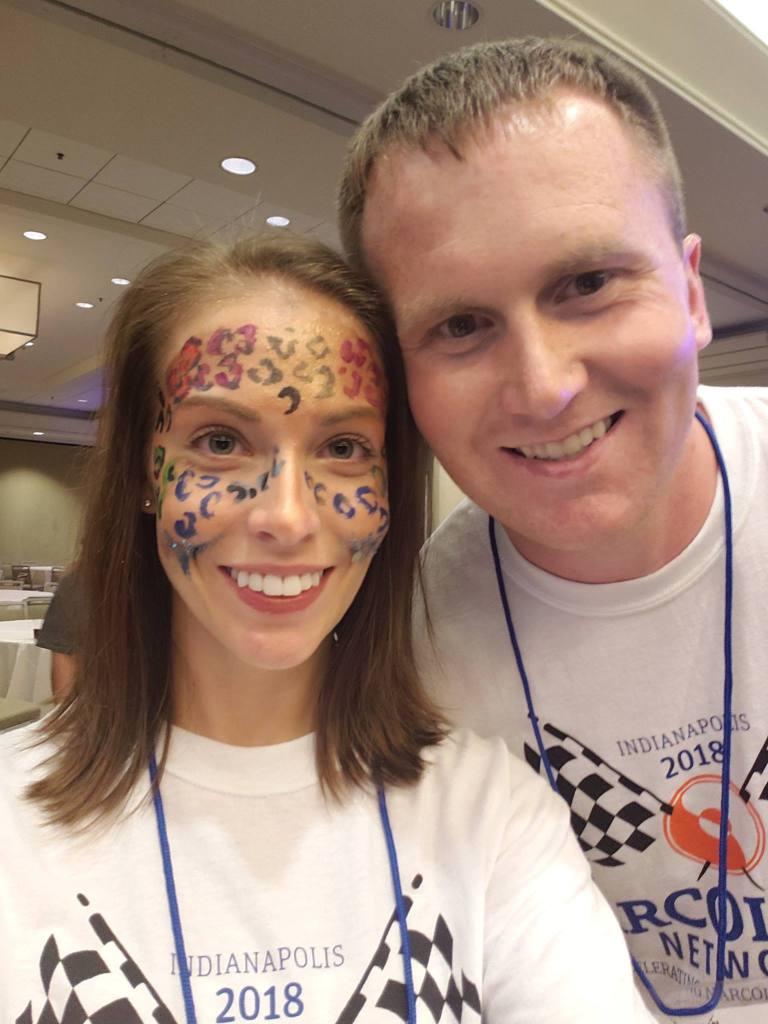
Me singing Karaoke at the Narcolepsy Conference!Emily even got her face painted at the pj karaoke night!
I also remember meeting Savannah and her mom Terri. Savannah has been so resilient in not letting narcolepsy hold her back. She is a dancer and we heard about her journey getting through college with an academical, athletic, and social life. Her mom Terri is very supportive and educates herself on what it is she can do to help Savannah. It was really awesome to see such a close bond between mother and daughter both fighting narcolepsy together. I still to this day am not sure I’ve met a more supportive caregiver than Terri.
A picture with Savannah!
Emily’s diagnosis of narcolepsy and her advocacy efforts have changed how we have approached our snowmobile racing. Instead of just chasing trophies, I really wanted to use my talents to help do something bigger than just snowmobile racing. I had been racing for 11 years at that point with just a singular focus on winning races. Going forward I wanted to help Emily’s efforts with narcolepsy advocacy, and I wanted racing to be a part of it. It honestly rejuvenated my passion for snowmobiling and racing! It made things new and exciting for me again!
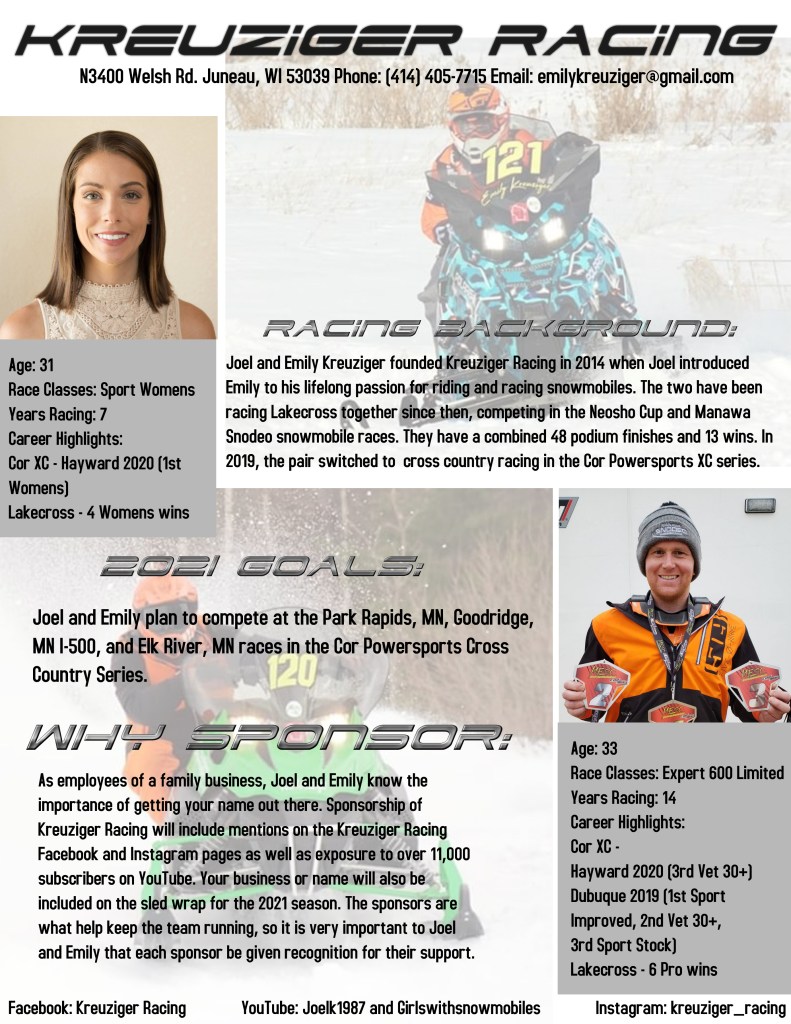
We started to dive into improving our speaking skills and social media work. Emily and I created a Facebook Racing page https://www.facebook.com/kreuzigerracing/ and eventually an Instagram page https://www.instagram.com/kreuziger_racing/. We started doing videos that we talked more in to more connect with fans. We also researched a lot on marketing ourselves better. We really decided we needed to promote our racing better and have more to offer. We even made a racing resume to present to potential sponsors. We started to pursue more sponsors as well. In the first decade of my racing I just focused on winning and assumed everything else would take care of itself. I can tell you that in racing it doesn’t work that way. You can win all the races you want but in general people don’t just approach you wanting to sponsor you. I’m not going to get too deep into this but in a simple explanation you have to have way more than just on-track success to offer. You have to understand marketing, be presentable, have communication skills, and also you really have to get out there and contact people and not be afraid of being told no. You get turned down probably more than you hear yes but that’s all part of it.
Our 2021 Racing Resume!
I will share my most personal story of the effects of narcolepsy. Emily and I decided we wanted to have a kid. Emily having narcolepsy first had to get off of all of her medications starting in December of 2017 before even trying to conceive. This was a lengthy process. It took until May of 2018 to be off of all of her medications. I remember some really rough days Emily had getting off of medications. To put it in context Emily was now having to come off of the very medications that helped manage her symptoms. As you could imagine with how hard Emily fought to get diagnosed with narcolepsy and properly treated that coming off of all these medications was not something she would be looking forward to. Then once getting off of all of the medications it took until November of 2018 before Emily was able to get pregnant.
This new life without medications and being pregnant was the hardest I had seen Emily struggle up until that point. To best explain the struggle, Emily lost a lot of her independence. She no longer felt comfortable driving a car more than 5 minutes away with the risk of falling asleep. I drove her anywhere she needed to go with appointments, grocery shopping, if she wanted to get out socially and for many other things that we all just take for granted. Emily also went from working 50 to 60 hours a week to struggling to get to 35 hours a week. That had an effect on our income and adding even further challenges to things.
One of the biggest challenges of pregnancy was that both Emily’s sleep specialist and our local hospital had no experience with somebody with narcolepsy trying to have a kid and going through pregnancy. So you can imagine how scary the process is just for anybody having a kid and now imagine the appointments you go to, they too don’t really have a whole lot to be able to tell you on what to expect. So you want to talk about feeling like you’re on your own to figure it out, that’s how Emily was left and really me too as her husband.
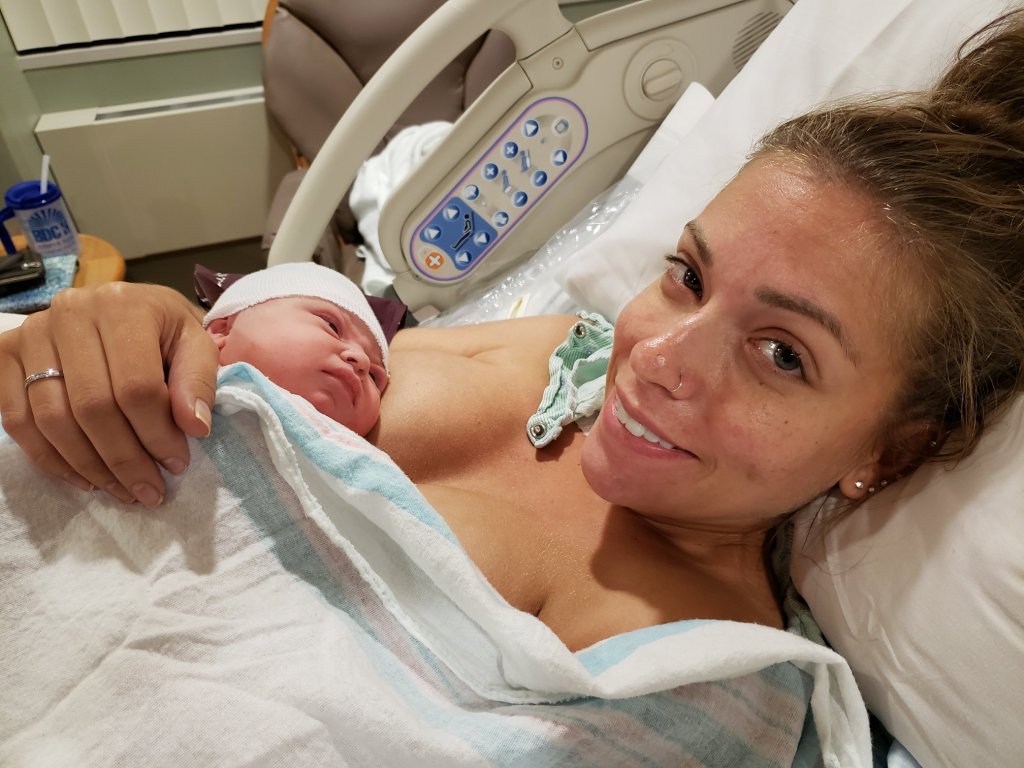
So finally after 9 long months of pregnancy Emily had our daughter Madelyn Joy Kreuziger. We call her Maddie. This is something that always sticks with me from the delivery. As Emily was trying to push Maddie out she was falling asleep between contractions. I eventually after 3 hours of this had to tell the doctor and nurses that Emily can’t push anymore. There again nobody had really experienced delivery with a person with narcolepsy at our hospital. Finally after Emily having been up for 36 straight hours and all the struggles of delivery they came in with a suction cup/vacuum and were able to get Maddie out that way at 1:41 am. Emily was flooded with so much adrenaline that she was literally shaking. Having said all the struggles Emily had been through this was an amazing moment and experience for both of us to finally get to hold our daughter!
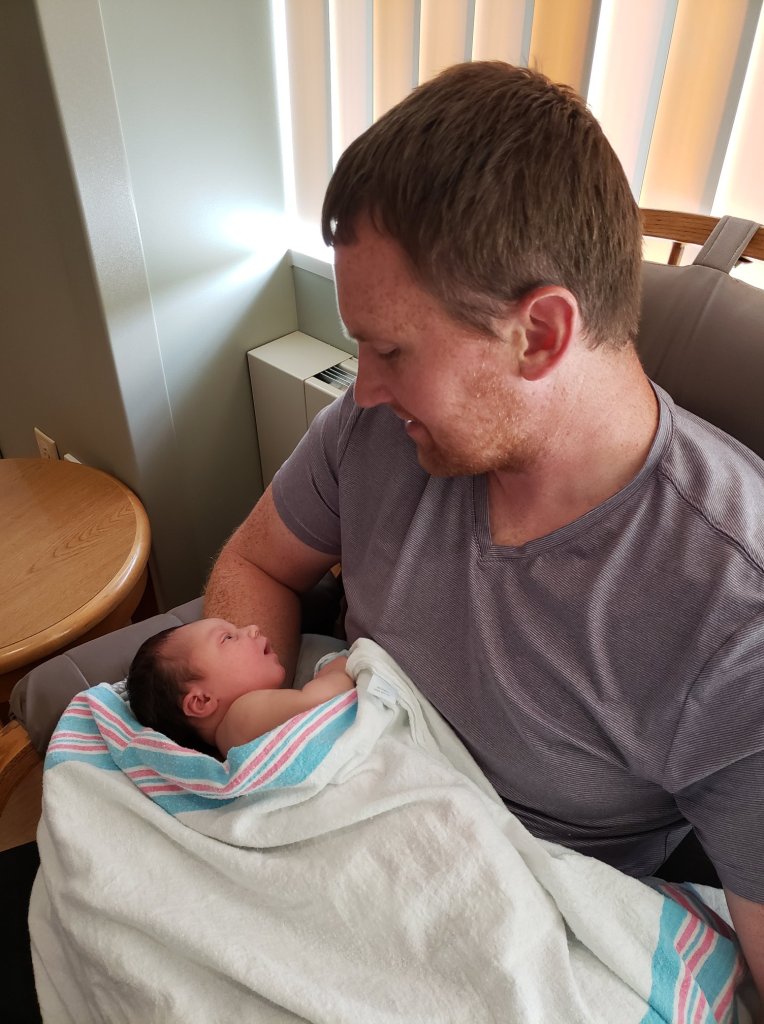
Emily holding Maddie for the first time!Me holding Maddie the day she was born!A precious photo from the day Maddie was born!
The next thing I remember most being a struggle was Emily attempted for 5 days to breast feed. These 5 days broke her in ways I had never seen before. Emily was just so exhausted that it was taking everything she had out of her. She even got to a point she wanted nothing to do with Maddie. I tell Emily this, that I give her so much credit for recognizing on her own that something needed to change. It’s hard to be the one struggling and actually basically diagnose yourself as needing help. So we had an appointment at the hospital to now switch to formula feeding Maddie. This allowed me to help a lot more. So what we did was each night we switched off as to who had the middle of the night feeding. So now by being able to also feed Maddie it gave Emily a chance to sleep more and took a lot of pressure off of her. Emily also was able to get back to feeling more like herself again. Emily also was able to feel more connected with Maddie now that she was in a better place.
Then also by going to formula feeding Emily was able to start the process of getting back on medications sooner. This again was much more of a struggle than anticipated. For whatever reason after pregnancy Emily’s body didn’t react the same to medications for her Narcolepsy. It took Emily probably a year to find the combination of medicine that would seem to work for her.
Today we have a going on 16 month old beautiful daughter! Maddie is a bundle of joy! She is a very curious child and is generally always happy and thinks so many things are funny. Maddie loves to climb on things and loves to pull your mask down! Maddie is currently 32 inches tall and 24 pounds. She stretches out 18 to 24 month clothes and is at the 85 percentile in both height and weight! Her head circumference is in the 91 percentile! She has learned how to make many animal noises and in particular her kitty and bear sounds are the best!
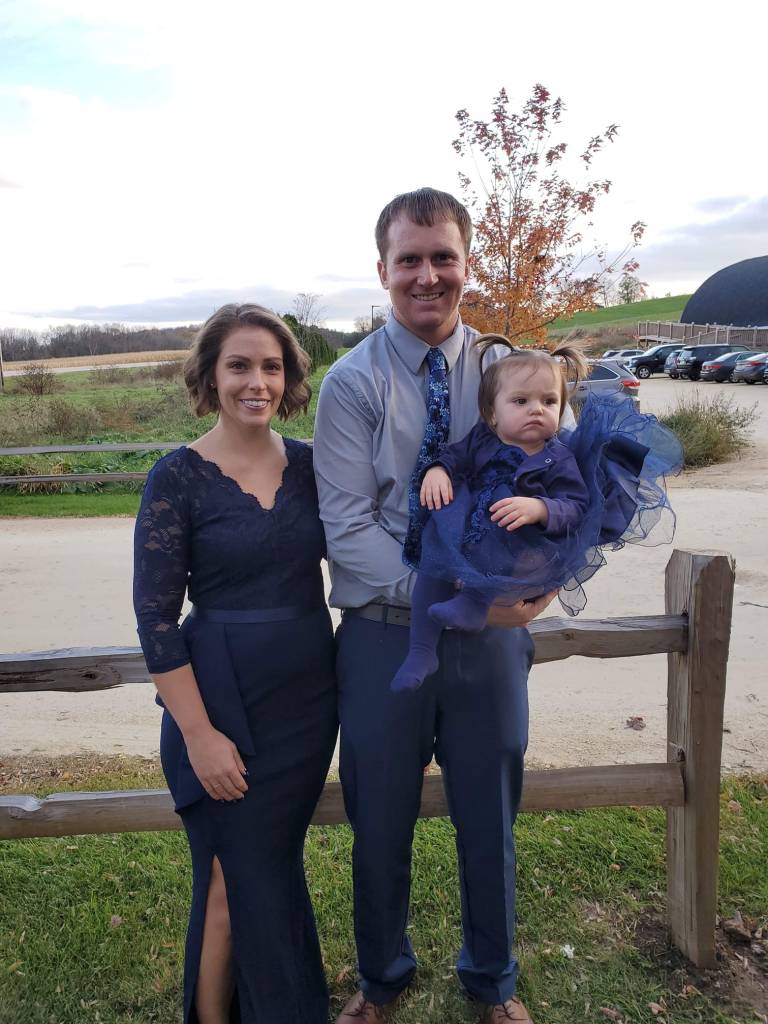
One of our best family photos!
That brings us to today. For this upcoming winter I threw out the idea to Emily that the I-500 would be pretty cool to run! Now Emily can tell you that I’ve been wanting to do that race for multiple years now. I think 2017 was when I first started looking into the I-500 and started thinking of it as a bucket list race I wanted to compete in. The agreement from Emily and I has been that both of our racing efforts be together and not put one’s career over the other. Nothing in the past really lined up to pull it off. In there also was having our daughter Maddie (she was born July 26th, 2019). Anyways, we finally have put enough details together to make this the winter we race the I-500! Here is a cool video from last winter of the I-500 I found on YouTube! https://www.youtube.com/watch?v=Hpn11RNL17c
Emily started to think about presenting the idea of the I-500 to Narcolepsy Network as a fundraising opportunity for them. Being a brain tumor survivor myself, I ran both the New York and Chicago marathons to raise money for the Tug McGraw Foundation. Emily wanted to use I-500 as a fundraiser much like many marathon runners do. So like Emily always does, she found a way to make it happen! Narcolepsy Network is very excited about the opportunity to partner with her to raise funds and the donations are already starting to roll in.
If you’re a snowmobiler what does the word “suspension” mean to you? I can’t hear your answer, but I’m guessing it either means frustrating or awesome to you depending on what side of the ride quality and handling you are on.
Emily racing in Hayward, WI 2-29-20!
Being new to cross country terrain racing, Emily and I have both had steep learning curves when it comes to suspension setups. We come from a background of lakecross lemans road course style ice racing, and like many fellow snowmobilers, also have a lot of trail riding experience. As soon as we hit the track cross country terrain racing, the added intensity of racing has really exposed our balance deficiencies in setup.
In this blog post I will focus on Emily’s 2018 Polaris 600 Rush XCR. In a future blog post I will dive into my suspension set up upgrades and changes. To more focus this blog post, we will just stick to Emily’s Polaris XCR.
We started the 2019/2020 winter with high hopes. We had received a lot of advice and we used that information, combined with my racing the sled the season before in a Cor Powersports Dubuque, Iowa ski hill race in 2019. In 2019, Emily was pregnant with our daughter Maddie, and to help her get a jump on the sleds setup, I decided to race it myself that season for one race. While racing her sled, I found it gave a lot of feedback through the handlebars in the rough sections from running the stiffer sway bar Polaris makes for this chassis. I had decided to make the sled work with the lighter sway bar as goal number one for the 2019/2020 season. We decided to leave the Walker Evans shock valving stock to first utilize the stock clicker adjustments to see if they would work for Emily. The Walker Evans shocks on the XCR Rush have both high and low speed compression adjusters. We had a list of recommended preloads for each spring and one spring rate change to try on the rear shock. I also wanted to try some different rear limiter strap adjustments. We even went so far as to get my dad’s skid loader and built a test track in the field just outside of our garage, the idea being we can test and then tune right from our garage if need be for more extensive setup changes. We also had a couple of different trail riding trips where we tried different preloads and shock settings and limiter strap lengths. We found out through all of our testing, trail rides, and the Hayward Cor Powersports race that Emily’s set up just was not working for her to the level Emily needed it to.
Emily on our practice track next to our garage
So as soon as the season ended short due to COVID, I immediately starting trying to figure out what it was we had so far off on Emily’s suspension set up. I started to wonder if the fact that the sled seemed so perched up at the top of the suspension travel for her was causing both cornering and bump compliance issues. If you watch the practice video that is attached to this blog you will see Emily is not using much of the travel. Through further studying film of her riding, getting more feedback from Emily, and researching on the internet of other riders issues they’ve ran into, I started to feel like we started to pinpoint issues that were causing the lack of bump compliance and poor cornering.
Emily trail riding in January 2020 near Antigo, Wisconsin. Emily set a new personal best of 202 miles of trail riding in one day!
All these problems was what started a long search of solutions. As you all know, it’s easy to know the problems, but it’s much more complicated finding solutions. At some point watching an off-road truck race on TV, Emily said to me, “My sled needs to land like those trucks with no bounce. I always feel like my sled is trying to buck me off when I land and there’s not softness.” I completely agreed with her. I was curious, how in the world do those heavy trucks land with such control and grace? I had been seeing some people on online forums saying dual spring setups and even triple rate single springs were helping their snowmobiles. In a quick off-road racing search I found dual springs with a lock out ring being very common place in the trucks, UTVs, and ATVs for both off-road racing and riding.
Emily getting ready to race and some on track footage in Hayward, WI on 2-29-20!
That gets to us where we’ve arrived today. I finally found a video on dual springs for snowmobiles that actually explains how they work. I had seen one other video showing a dual rate spring and shock in a shock dyno, but I had yet to see any experts actually explain it on a YouTube video for snowmobiles. I had seen a lot of videos of off-road dirt vehicles like ATVs and UTVs with explanations, but nothing really note worthy on sleds. That was until this last July I finally saw a snowmobile video about dual spring technology, the way it works, and how it can be customized to your wants and needs. The video I found was from Accelerated Technologies, a suspension company in Canada. I immediately knew I needed to contact them and see if they could help us.
Without getting into too many details, John from Accelerated Technologies really listened to us and gave us a lot of feedback. He even watched our practice videos and he requested some shop videos to help show our current shock valving range. He also taught us the correct way to measure the suspension sag of a snowmobile. He took time to explain what all of our info we provided would mean as far as options we could go with to meet our wants and our budget.
Emily decided based off of all the options and information that we would go with the Elka Stage 5 kit with her snowmobile. With the Elka Stage 5 kit you get adjustable high and low speed compression and adjustable rebound for all 4 of the shocks. The ski shocks and the center or front track shock get dual springs with a crossover ring. The rear shock gets a single rate spring thats also gets matched to the rest of the setup. The best way to explain the process of working with Accelerated Technologies to get an Elka suspension setup is that you give them input as far as what you want out of the sled and issues that you face currently. All of your input is taken into account. What does that mean? This means that instead of buying a generic valved shock that you often end up sending to someone else to revalve, Elka Shocks come right from the factory custom valved for your wants and needs!
I want to talk more about the dual springs. You’re probably wondering what are the advantages of them? The biggest advantage is that it provides an almost infinite amount of spring rate options. You can get dual rate springs that come in one long spring, but the problem is that it’s so specialized in its production that you can’t really get many options for a single spring that is dual rate. The advantage of the dual spring set up is that you can stack two springs together and come up with nearly any combination you want. First off I have to explain that when you stack two springs on top of each other the combined rate is softer. There is a simple formula to calculate what your final rate will be. This allows you to customize your spring rate without having to have a special spring. This next part is really key to this dual spring set up working. There is what you call a crossover ring. A crossover ring connects the top and bottom spring. So you have a longer main spring on the bottom and on top of that you run a shorter tender spring. The crossover ring is very simple in that what it does is it locks out the tender spring at whatever point you want it to in the travel. Once the tender spring is locked out, your main spring becomes the rate at which you’re now running. I will give you an example. Let’s say previously on the ski shocks you ran a single rate 120 pounds per inch rate spring. Now let’s just say your new dual spring and dual rate setup is 85 and 140 pounds per inch. Then let’s say our crossover ring is set up to make the first half of the travel the 85 rate. The crossover rings can be made to different heights which determine when you change rates. When the tender spring bottoms out on the crossover ring you will in the second half of the travel only be using the main spring. Then your rate will be the 140 rate of the main spring. You’re probably asking what is the point of all of this? Essentially what you are doing is layering the suspension. This offers numerous advantages. The first advantage is in bump compliance or commonly known as ride quality. The snowmobile will now have a softer more compliant ride early in the travel and then later in the travel you will have more bottoming out resistance. We make the shock have more range of compliance than stock by being softer than the stock set up at the beginning of the travel and then stiffer than stock on the later part of the travel. The other advantage is cornering. Often newer snowmobiles have a higher ride height which increases the roll center or in simple terms makes the sled more tippy getting up on one ski when cornering. By going softer in the initial travel, you lower the sled’s ride height which helps lower the center of gravity and in turn helps the cornering. The stiffer part of the travel helps keep the front end planted in hard cornering. The other question you probably have is whether that sacrifices your suspension travel by lowering the snowmobile? This is where I previously went off the rails and most riders misunderstand shock travel. Often the assumption is that we need to be at the top of the travel when the sled is sitting on the ground with no rider on it. We think,, well I have all that travel and only way I can use it is that it sits at the top of the travel. Thats where we misunderstand suspension and start to have a lot of balance issues. John from Accelerated Technologies has helped educate me that the snowmobile needs to have negative travel. What does negative travel mean? This in application means that the shock more reaches out for bumps instead of bouncing off of bumps. The snowmobile with negative travel is absorbing bumps that you don’t even know are there because it’s better following the terrain. This in turn means better traction and control. To be able to tell if your setup has negative travel, you need to know the static sag, which is the amount the snowmobile sags or drops under its own weight with no rider on it. To measure static sag you need to know the extended length of the suspension. The shocks have to be fully extended to measure the extended length. The difference between the extended length and the height of the sled sitting with its own weight is static sag. You also have your rider sag to measure which is the height with the rider seated on the sled. I’m not going to break all of the sag numbers down in this blog but I just wanted to give you a brief example and explanation of common misunderstandings we have with suspension setups due to our misconceptions.
I know that was a lot of info to process, but I wanted to share this adventure of suspension setup with all of you. I actually came up with the idea of doing blog posts to be able to better articulate my thoughts to all of you. I enjoy doing videos, but between capturing the correct words spoken and editing the footage, I often fall short of sharing information I can better explain in written words. This is a first attempt at seeing how blog posts work and if it is indeed another good option to connect with fans. Let me know what you think of my first blog post!
This winter Emily will be running this new set up and she couldn’t be more excited to try it out! As always, stayed tuned for further updates and we will let you know what we learn about this new suspension set up for Emily!
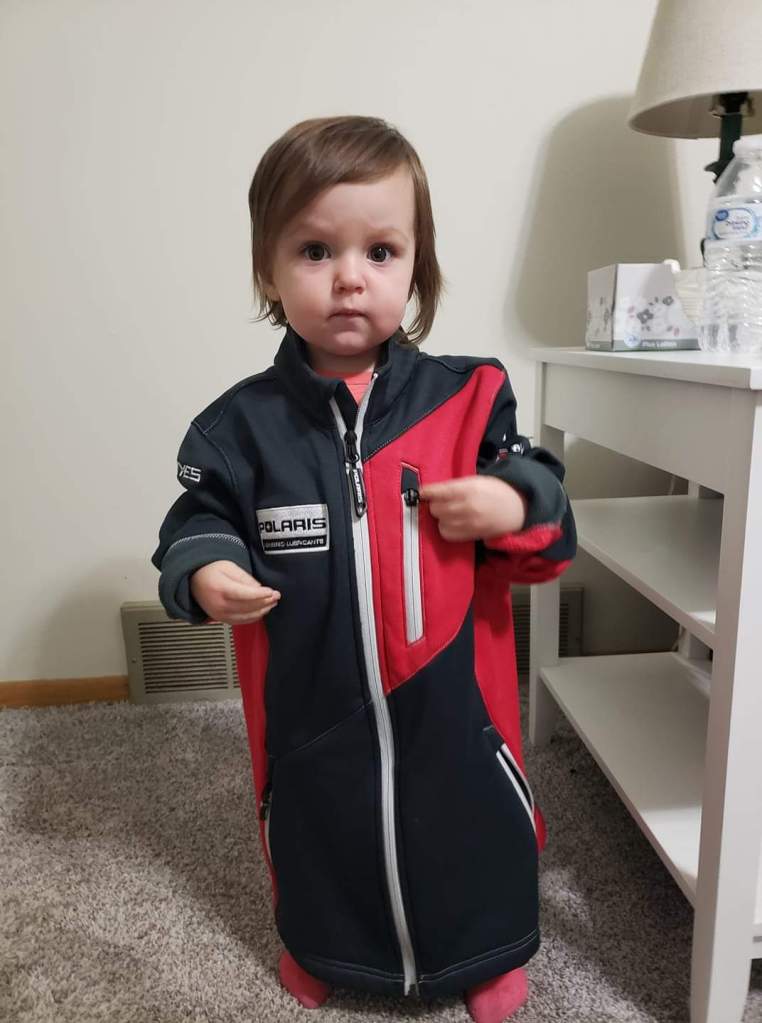
Maddie wondering when she will get her turn to ride snowmobiles!
This is an example post, originally published as part of Blogging University. Enroll in one of our ten programs, and start your blog right.
You’re going to publish a post today. Don’t worry about how your blog looks. Don’t worry if you haven’t given it a name yet, or you’re feeling overwhelmed. Just click the “New Post” button, and tell us why you’re here.
Why do this?
Because it gives new readers context. What are you about? Why should they read your blog?
Because it will help you focus your own ideas about your blog and what you’d like to do with it.
The post can be short or long, a personal intro to your life or a bloggy mission statement, a manifesto for the future or a simple outline of your the types of things you hope to publish.
To help you get started, here are a few questions:
Why are you blogging publicly, rather than keeping a personal journal?
What topics do you think you’ll write about?
Who would you love to connect with via your blog?
If you blog successfully throughout the next year, what would you hope to have accomplished?
You’re not locked into any of this; one of the wonderful things about blogs is how they constantly evolve as we learn, grow, and interact with one another — but it’s good to know where and why you started, and articulating your goals may just give you a few other post ideas.
Can’t think how to get started? Just write the first thing that pops into your head. Anne Lamott, author of a book on writing we love, says that you need to give yourself permission to write a “crappy first draft”. Anne makes a great point — just start writing, and worry about editing it later.
When you’re ready to publish, give your post three to five tags that describe your blog’s focus — writing, photography, fiction, parenting, food, cars, movies, sports, whatever. These tags will help others who care about your topics find you in the Reader. Make sure one of the tags is “zerotohero,” so other new bloggers can find you, too.
This is an example post, originally published as part of Blogging University. Enroll in one of our ten programs, and start your blog right.
You’re going to publish a post today. Don’t worry about how your blog looks. Don’t worry if you haven’t given it a name yet, or you’re feeling overwhelmed. Just click the “New Post” button, and tell us why you’re here.
Why do this?
Because it gives new readers context. What are you about? Why should they read your blog?
Because it will help you focus your own ideas about your blog and what you’d like to do with it.
The post can be short or long, a personal intro to your life or a bloggy mission statement, a manifesto for the future or a simple outline of your the types of things you hope to publish.
To help you get started, here are a few questions:
Why are you blogging publicly, rather than keeping a personal journal?
What topics do you think you’ll write about?
Who would you love to connect with via your blog?
If you blog successfully throughout the next year, what would you hope to have accomplished?
You’re not locked into any of this; one of the wonderful things about blogs is how they constantly evolve as we learn, grow, and interact with one another — but it’s good to know where and why you started, and articulating your goals may just give you a few other post ideas.
Can’t think how to get started? Just write the first thing that pops into your head. Anne Lamott, author of a book on writing we love, says that you need to give yourself permission to write a “crappy first draft”. Anne makes a great point — just start writing, and worry about editing it later.
When you’re ready to publish, give your post three to five tags that describe your blog’s focus — writing, photography, fiction, parenting, food, cars, movies, sports, whatever. These tags will help others who care about your topics find you in the Reader. Make sure one of the tags is “zerotohero,” so other new bloggers can find you, too.
This is an example post, originally published as part of Blogging University. Enroll in one of our ten programs, and start your blog right.
You’re going to publish a post today. Don’t worry about how your blog looks. Don’t worry if you haven’t given it a name yet, or you’re feeling overwhelmed. Just click the “New Post” button, and tell us why you’re here.
Why do this?
Because it gives new readers context. What are you about? Why should they read your blog?
Because it will help you focus your own ideas about your blog and what you’d like to do with it.
The post can be short or long, a personal intro to your life or a bloggy mission statement, a manifesto for the future or a simple outline of your the types of things you hope to publish.
To help you get started, here are a few questions:
Why are you blogging publicly, rather than keeping a personal journal?
What topics do you think you’ll write about?
Who would you love to connect with via your blog?
If you blog successfully throughout the next year, what would you hope to have accomplished?
You’re not locked into any of this; one of the wonderful things about blogs is how they constantly evolve as we learn, grow, and interact with one another — but it’s good to know where and why you started, and articulating your goals may just give you a few other post ideas.
Can’t think how to get started? Just write the first thing that pops into your head. Anne Lamott, author of a book on writing we love, says that you need to give yourself permission to write a “crappy first draft”. Anne makes a great point — just start writing, and worry about editing it later.
When you’re ready to publish, give your post three to five tags that describe your blog’s focus — writing, photography, fiction, parenting, food, cars, movies, sports, whatever. These tags will help others who care about your topics find you in the Reader. Make sure one of the tags is “zerotohero,” so other new bloggers can find you, too.






 Kreuziger Racing